

A Practical Guide to Medical Weight Loss Programs & Costs

Understanding Medical Weight Loss and Eligibility

At its foundation, modern medicine recognizes obesity not as a moral failing or a simple lack of self-control, but as a complex, chronic disease. Managing weight requires a nuanced approach that addresses metabolic health, hormonal signaling, and underlying health comorbidities rather than relying on fad diets.
When you enter a structured program, a clinician evaluates your overall cardiovascular and metabolic health to build a safe, personalized strategy.
BMI Requirements and Health Comorbidities
Eligibility for clinical weight management usually begins with an evaluation of your Body Mass Index (BMI) alongside existing weight-related health conditions:
BMI of 30 or higher: Automatically meets the standard criteria for clinical weight management interventions, including pharmacological options.
BMI of 27 or higher: Qualifies individuals if they also present with at least one serious weight-related comorbidity.
Common weight-related medical conditions that make patients candidates for comprehensive management include:
Type 2 diabetes and prediabetes
Hypertension (high blood pressure)
Obstructive sleep apnea (OSA)
Fatty liver disease (metabolic dysfunction-associated steatotic liver disease)
Hyperlipidemia and elevated triglyceride levels
The Multidisciplinary Care Team Approach
Managing a chronic condition effectively requires input from multiple disciplines. Rather than relying on a single practitioner, patients often work with a complete care team:
Obesity Medicine Physicians & Endocrinologists: Oversee metabolic evaluations, diagnostic testing, and pharmacological prescriptions.
Advanced Practice Providers (NPs and PAs): Manage routine clinical monitoring, dose titrations, and progress tracking.
Registered Dietitian Nutritionists: Provide evidence-based medical nutrition therapy tailored to your unique metabolic profile.
Behavioral Therapists: Address emotional eating, stress triggers, and habit formation.
FDA-Approved Medications and Treatment Protocols
Prescription pharmacological treatments serve as powerful supportive tools when combined with lifestyle modifications. They help regulate appetite, improve metabolic response, and support long-term obesity management.
Core Medications Used in Medical Weight Loss
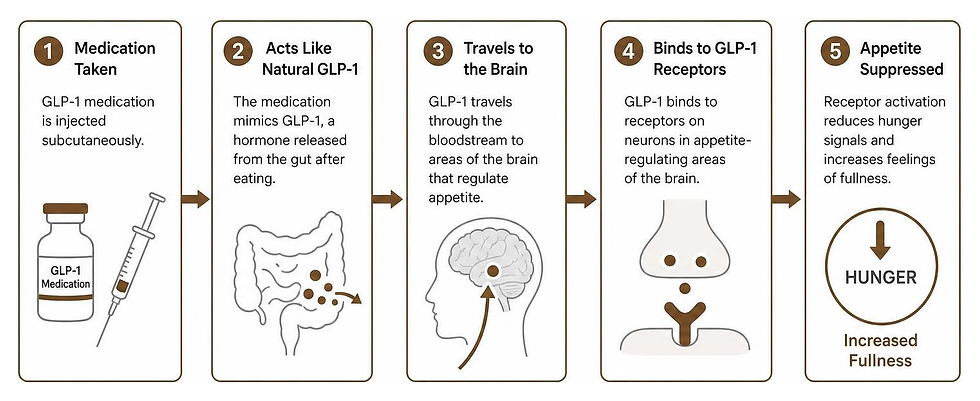
In North America, several anti-obesity medications are approved for long-term use. Among the most widely used are GLP-1 receptor agonists, which mimic natural gut hormones to promote satiety.
Medication | Mechanism of Action | Administration | Average Extra Weight Loss vs. Lifestyle Alone |
Semaglutide (Wegovy) | GLP-1 receptor agonist; enhances satiety and slows gastric emptying | Weekly subcutaneous injection | 10% – 15% |
Tirzepatide (Zepbound) | Dual GIP/GLP-1 receptor agonist; enhances insulin sensitivity and fullness | Weekly subcutaneous injection | 15% – 20%+ |
Liraglutide (Saxenda) | Daily GLP-1 receptor agonist | Daily subcutaneous injection | 5% – 8% |
Bupropion-Naltrexone (Contrave) | Neuro-combination targeting hunger pathways and reward centers | Oral daily tablet | 5% – 6% |
Phentermine-Topiramate (Qsymia) | Sympathomimetic stimulant and anticonvulsant appetite suppressant | Oral daily capsule | 8% – 10% |
Orlistat (Xenical) | Lipase inhibitor; prevents dietary fat absorption in the gut | Oral daily capsule with meals | 5% |
For patients interested in advanced injectable options, learning more about GLP-1s can help clarify how these targeted therapies decrease persistent hunger cravings.
Expected Weight Loss Results, Side Effects, and Duration
Clinical trials reveal that taking prescription anti-obesity medications for a year can yield 3% to 18% more total body weight loss than lifestyle modifications alone.

Managing Progress and Side Effects
The 5% Evaluation Mark: If a patient has not lost at least 5% of their total body weight after taking the full prescribed dose of a medication for 3 to 6 months, healthcare providers typically evaluate switching to an alternative treatment protocol.
Common Side Effects: Gastrointestinal symptoms—such as mild to moderate nausea, constipation, diarrhea, and acid reflux—are the most frequent side effects of GLP-1 therapies. These usually diminish as the body adapts during gradual dose escalation.
Warning on Compounded Alternatives: Regulatory agencies like the FDA have issued explicit warnings regarding unapproved, compounded versions of GLP-1 drugs obtained from unregulated sources, emphasizing the necessity of sourcing medications through licensed, trustworthy providers.
Treatment Duration: Because obesity is a chronic condition, stopping medication frequently leads to weight regain. Long-term continuation is usually recommended as long as the medication remains safe and effective for the patient.
Behavioral Interventions and Lifestyle Support
While prescription medications provide substantial biological support, non-pharmacological treatments form the essential core of any effective treatment strategy.

Behavioral and Psychological Coaching in Medical Weight Loss
Sustained health benefits depend heavily on building what clinicians call "skillpower" rather than relying exclusively on short-term willpower. Behavioral strategies focus on cognitive and psychological tools to support sustainable habit change:
Cognitive Behavioral Therapy (CBT): Helps patients identify and reframe negative thought patterns surrounding food, body image, and self-efficacy.
Medical Nutrition Therapy (MNT): Structured dietary plans focusing on nutrient density, lean protein intake, and metabolic stability rather than severe caloric restriction.
Stress Management & Emotional Health: Chronic stress raises cortisol levels, which can promote abdominal fat storage and drive emotional eating. Integrative therapies—such as stress coaching or complementary protocols like HRT Peptides—can help optimize overall metabolic and hormonal recovery.
Long-Term Lifestyle and Maintenance Strategies
To avoid the cycle of losing and regaining weight, structured programs teach long-term maintenance habits:
Regular Physical Activity: Combining aerobic exercise with progressive resistance training preserves lean muscle mass during weight loss.
Consistent Monitoring: Routine check-ins with your care team ensure accountability and allow timely adjustments to your nutrition or exercise regimen.
Advanced Interventions When Needed: For patients with severe obesity (BMI over 35, or BMI of 30+ with severe type 2 diabetes) who do not achieve sufficient results through lifestyle and medication alone, bariatric surgical options or endoscopic procedures (such as intragastric balloons or endoscopic sleeve gastroplasty) may be evaluated.
Program Access, Insurance Coverage, and Cost Factors
Navigating program options, insurance limits, and out-of-pocket costs is a key step in starting treatment.

Navigating Insurance and Exception Requests
Obesity coverage varies significantly depending on your provider and region:
Private Drug Plan Limits: Currently, fewer than 20% of private drug plans in Canada cover prescription obesity medications, and coverage across US commercial insurance plans remains variable.
The Formal Exception Process: If your coverage is initially denied, you can work with your medical provider to submit a formal exception request.
Drafting an Appeal Letter: Effective appeal letters include clear documentation of medical necessity, detailing how treatment addresses comorbidities like high blood pressure or type 2 diabetes, outlining previous lifestyle modifications, and including evidence-based recommendations from your care team.
Patients undergoing weight loss plans also frequently utilize supportive wellness options—such as IV Therapy Vitamin Injections—to maintain nutrient levels and metabolic energy during active fat loss.
What to Expect in a Structured Weight Program
A typical medical weight loss journey follows a clear, step-by-step path:
Initial Medical Evaluation: Comprehensive review of health history, metabolic labs, current medications, and body composition.
Personalized Plan Design: Selection of appropriate nutritional protocols, exercise routines, behavioral strategies, and prescription therapies.
Ongoing Clinical Supervision: Regular check-ins every 2 to 4 weeks during initial dose escalation, transitioning to routine 6-month follow-up visits once stable.
Telehealth Options: Many programs incorporate virtual appointments to offer flexible, accessible care.
Frequently Asked Questions about Medical Weight Loss
What happens if I stop taking prescription weight loss medication?
Because obesity is a chronic metabolic condition, stopping medication often leads to partial or complete weight regain due to biological mechanisms like increased appetite and metabolic adaptation. Long-term maintenance relies on continuing healthy lifestyle habits alongside guidance from your medical provider.
How much weight do patients typically lose with medical intervention?
Most patients achieve a 5% to 10% reduction in total body weight within the first 6 months. This degree of weight loss significantly improves cardiovascular risk markers, lowers blood pressure, enhances glycemic control, and reduces triglyceride levels.
How do I know if I qualify for a medical weight management program?
You generally qualify if you have a BMI of 30 or higher, or a BMI of 27 or higher accompanied by weight-related health conditions such as hypertension, sleep apnea, or type 2 diabetes. A complete evaluation by a qualified healthcare provider will determine the best path forward for you.
Conclusion
Achieving a healthy body weight is not a short-term sprint or a test of willpower. It is a long-term investment in your health, vitality, and quality of life. By combining scientific advances in anti-obesity medications with comprehensive behavioral coaching and dietary support, structured medical programs provide a safe, proven path to lasting wellness.
At Loveland Medical Spa in Aventura, Florida, our board-certified team takes pride in offering personalized care tailored to your unique goals. If you are ready to take control of your health with an individualized plan, Contact us today or learn more About our clinical philosophy.
Ready to begin? Book Services directly with us online, or Explore personalized GLP-1 medical weight loss treatments to find out how our customized programs can help you reach your goals.


Comments